
Cooling Hose: Basic Knowledge & Buying Tips for All Cooling Projects
Cooling hose is the basic pipeline part of all liquid circulation heat dissipation systems, which carries coolant to transfer heat away from heat generating hardware and industrial devices. Reliable cooling hose prevents liquid leakage, pipeline clogging and overheating issues, while inferior cooling hose will bring hidden dangers such as pipe cracking and equipment short circuit. Whether you build PC water cooling or install industrial thermal management equipment, proper cooling hose is the guarantee of stable cooling performance.

Multiple material types of cooling hose meet different usage demands in the market. Silicone cooling hose owns great softness for bending layout inside narrow chassis, favored by DIY PC modders. EPDM cooling hose features anti-aging and low coolant penetration, perfect for long-running data center cooling loops. PTFE cooling hose resists chemical erosion of various coolants, suitable for semiconductor and laboratory equipment. Braided reinforced cooling hose bears high pressure for large industrial cooling systems.
Premium cooling hose has many obvious performance advantages for cooling loops. Its smooth inner wall cuts fluid resistance, lowers pump load and saves energy consumption. Multi-layer thickened wall avoids kinking during wiring to keep unobstructed liquid flow. Qualified cooling hose has wide temperature tolerance and stable physical properties under long continuous operation without hardening or deformation.
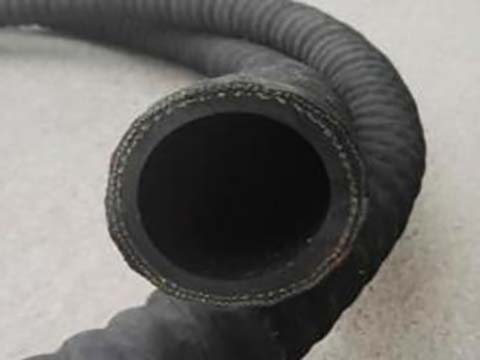
Cooling hose covers wide application scenarios from consumer electronics to heavy industry. Gamers use transparent colored cooling hose to assemble personalized CPU and GPU water cooling rigs. Data centers adopt large size industrial cooling hose to connect CDU units and server cold plates. New energy storage systems, laser machines, high-power inverters and medical testing instruments also need matched cooling hose for continuous heat dissipation.
Several core parameters need confirmation before purchasing cooling hose. Check inner and outer diameter to fit pipe connectors, confirm rated working pressure and temperature range matching your working environment, and select material according to coolant medium. Thin single-layer ordinary hoses cannot replace professional cooling hose for heavy load systems, which may leak and damage expensive precision equipment easily.
In short, cooling hose acts as the transport channel of all liquid cooling systems. Choosing durable and standard cooling hose can cut later maintenance troubles, extend equipment service life and maintain stable heat dissipation efficiency under long high-load running conditions.

Leave Your Product Requirements
Your email address will not be published. Required fields are marked *